






Intro 943: No Real Protections for Carriage Drivers, Owners, or Horses
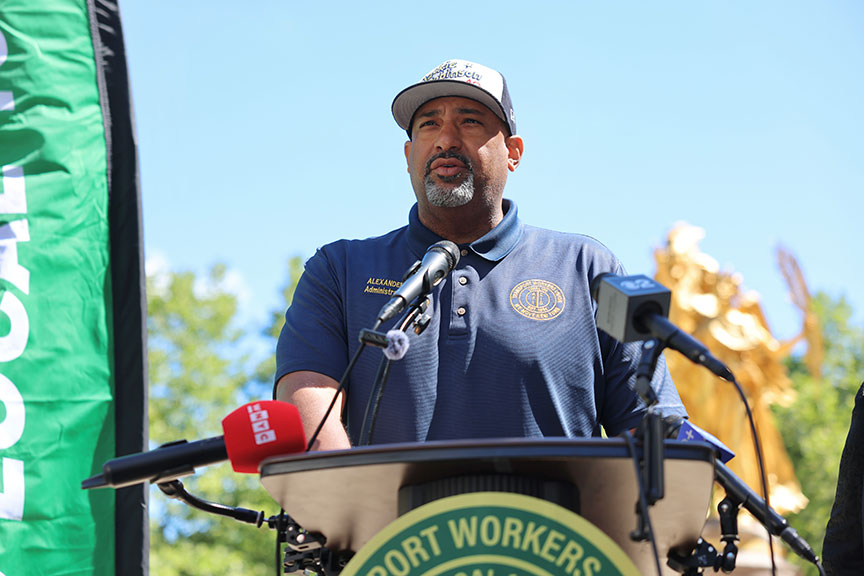 |
| Alexander Kemp, Administrative VP |
City Council Speaker Julie Menin has fast-tracked Intro. 943, a bill to ban horse-drawn carriage rides, claiming that it has been improved with amendments to take care of workers who will be stripped of their livelihoods. A vote is scheduled for Thursday, Oct. 22.
Despite Menin’s promises, the truth remains that hundreds of horse carriage drivers, owners, and their family members will callously be kicked to the curb to fend for themselves. The bill is farce. There is no concrete plan providing economic relief, no funding, no safeguards to ensure horses won’t wind up in the glue factory once evicted from their stables.
All Councilmembers of good conscience should take a stand against this abomination. It’s many flaws include:
- No real relief for carriage drivers or owners. The legislation simply says a plan should be drafted by April 2027 and include job fairs, job counseling, and other undeniably weak measures. While dozens of drivers saved for years and spent hundreds of thousands of dollars to buy city-issued medallions and build their own small businesses as carriage owners, the bill feebly says financial compensation should only be a “consideration.” Something to think about – as the city faces a projected $8.8 billion budget gap for the fiscal year starting next summer. How do you think that’s going to work out for jobless carriage owners and drivers? How will they pay their mortgages, their rent, utility bills, grocery bills, or other expenses while looking for a job or training for a new profession?
- No real protection for horses. The bill states that carriage-horse owners will be given a list of individuals and organizations that claim they can care for them. Yet, it doesn’t direct the city to allocate any funding, and it fails to mandate that the horses’ new owners provide the carriage horses with same level of care that city regulations now require, including at least two physical examinations a year; more vaccinations than most other horses receive; and stables staffed 24 hours a day, seven days a week. This hollow bill also lacks any tracking and reporting system to check on the horses’ location and welfare, even though a horse commonly has multiple owners during his or her lifetime. Sanctuaries and rescue operations constantly struggle with budget gaps, and approximately 20,000 horses a year still wind up at slaughter auctions. Every year, hundreds of horses must be “rescued” from so-called sanctuaries and rescues. This is a recipe for disaster.
- The timeline is wildly unrealistic. Drafting a concrete and meaningful plan that addresses all the complex issues that come with the unprecedented city-directed closure of an entire industry cannot be adequately accomplished by April 2027, less than six months from now. Similarly, the deadline to wind down the industry by June 1, 2028, gives too little time – just one year from the drafting of the city plan – to work through all the issues, such as finding alternate employment for workers and homes for 180 horses.
As bad as this bill is, the process has been equally repugnant. Worker committees had few meetings with Menin’s office about a potential ban, the last on Oct. 5. The Speaker didn’t attend, just like she didn’t bother sticking around to hear drivers testify at a Health Committee hearing in June. Workers were never told conversations would end, nor were they given the courtesy of seeing the new version of Intro. 943 before it was released to the public.
Intro. 943 is terrible legislation. It’s bad for the blue-collar carriage drivers, the owners, and the beloved, iconic NYC Central Park carriage horses