APRIL 28, 2026—As bargaining for our next contract is underway, we're taking a closer look at collective bargaining, the legal process where a labor union and an employer negotiate a contract that covers the terms and conditions of employment.
How do we get a good contract?
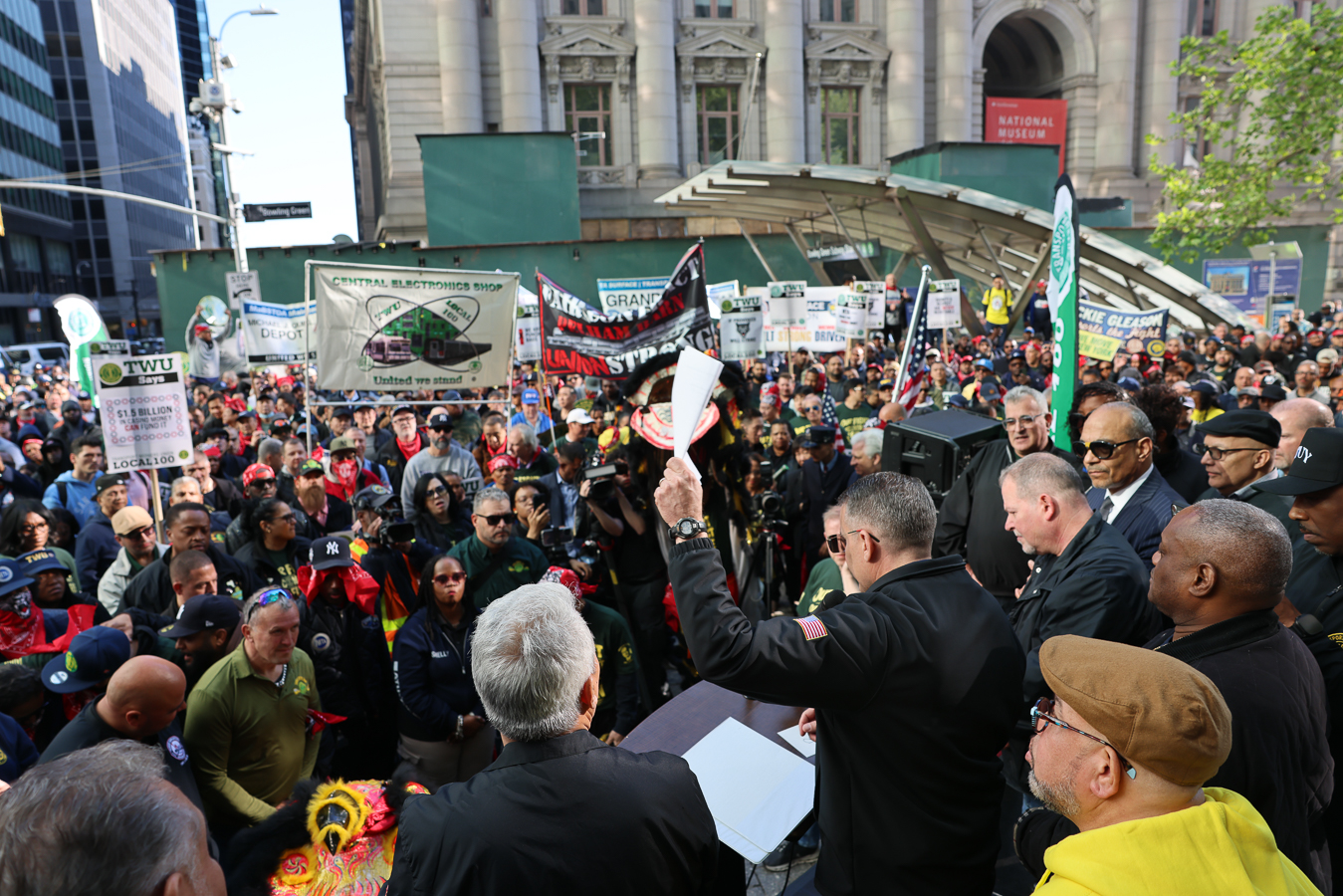
We need to build our bargaining strength. Bargaining strength is the ability to achieve our bargaining goals and strengthen our contract. It comes from our solidarity, our determination and willingness to stick together. Taking action to show the boss we support our bargaining committee will send a message that we are not satisfied with the status quo or the boss’ demands. When management sees that we are united, it puts us in a stronger position at the bargaining table.
What happens in negotiations?
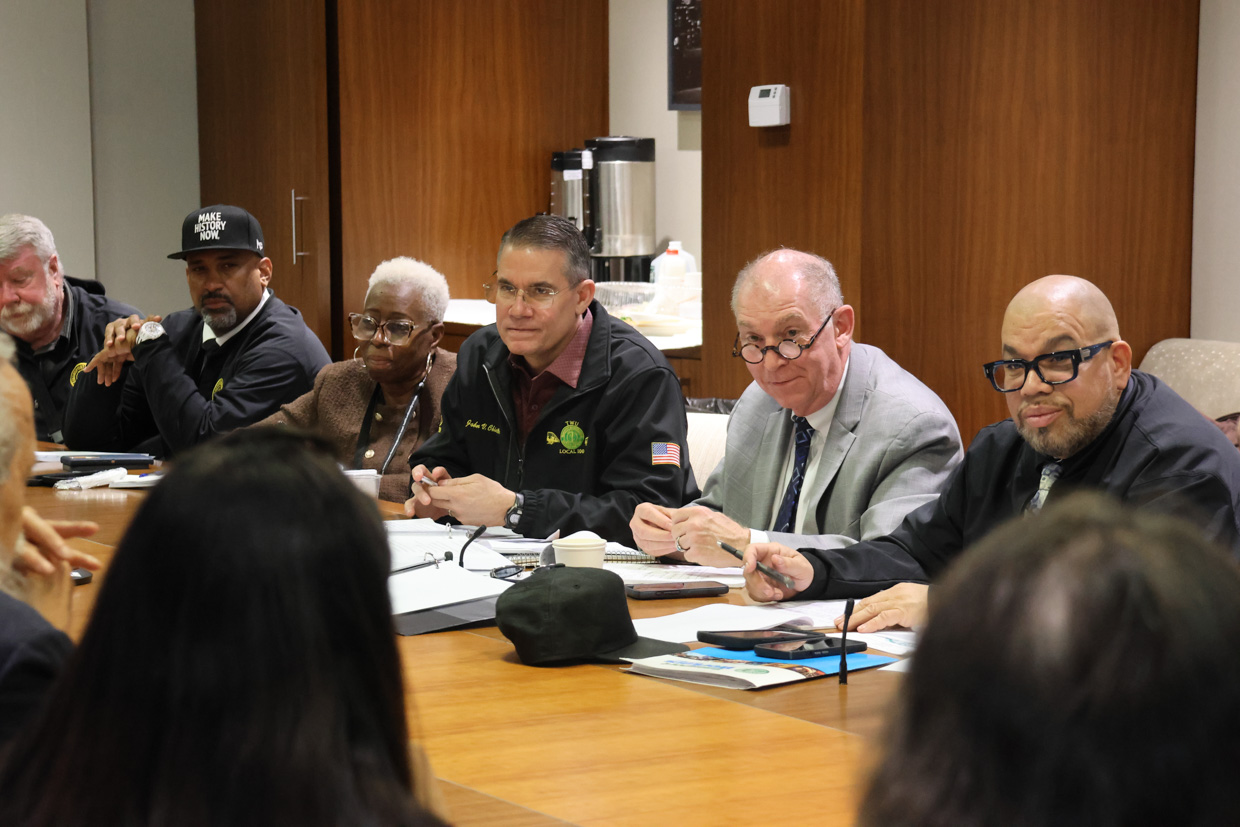
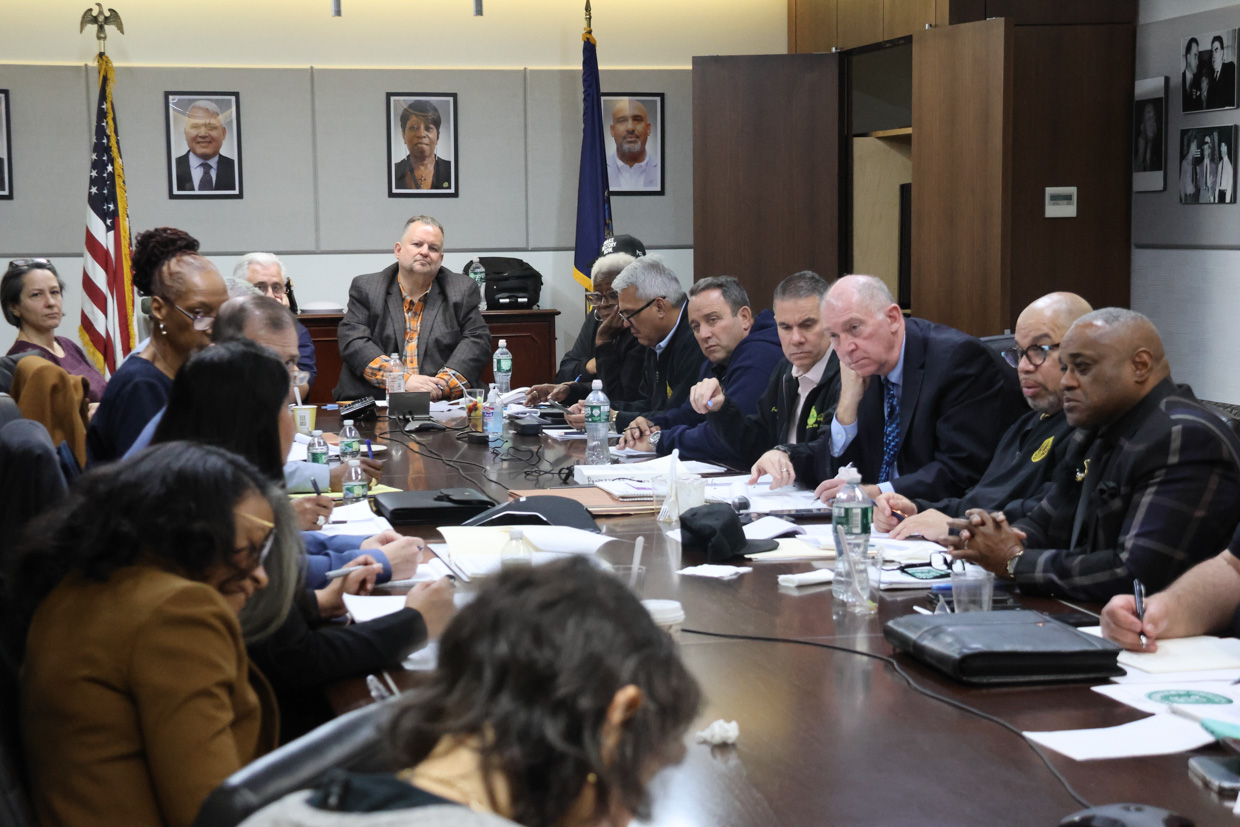
Negotiations take place at the bargaining table where representatives from the union and management come together to put forth and discuss proposals. We continue to negotiate. Both sides caucus (meet separately), make counteroffers, test out ideas, and look for ways to bridge differences. For most Local 100 members, there are main table negotiations, departmental negotiations, and special committee negotiations (Health and Safety, Grievance and Discipline, etc.). The union and management have certain mutual interests: both want the company to prosper and grow. But the union and management may differ on issues such as economic improvements, healthcare, and job security. The goal is to reach an agreement that will be mutually acceptable and beneficial to the company and to the union’s membership.
What kind of proposals are discussed in negotiations?
1. Main table discussions contain proposals such as wages, benefits, and healthcare, as well as support departmental proposals. Click here to see our main table demands.
2. Departmental negotiations consist of issues specific to each of the 16 divisions. They may include non-economic items such as breaks, picks, work rules, AVAs, promotional paths, overall morale boosting initiatives, and representative improvements, etc. Click here to see the demands for all divisions.
Read more