Management Blinks as Unions, Led by Local 100, Enforce Safety at Quill Depot
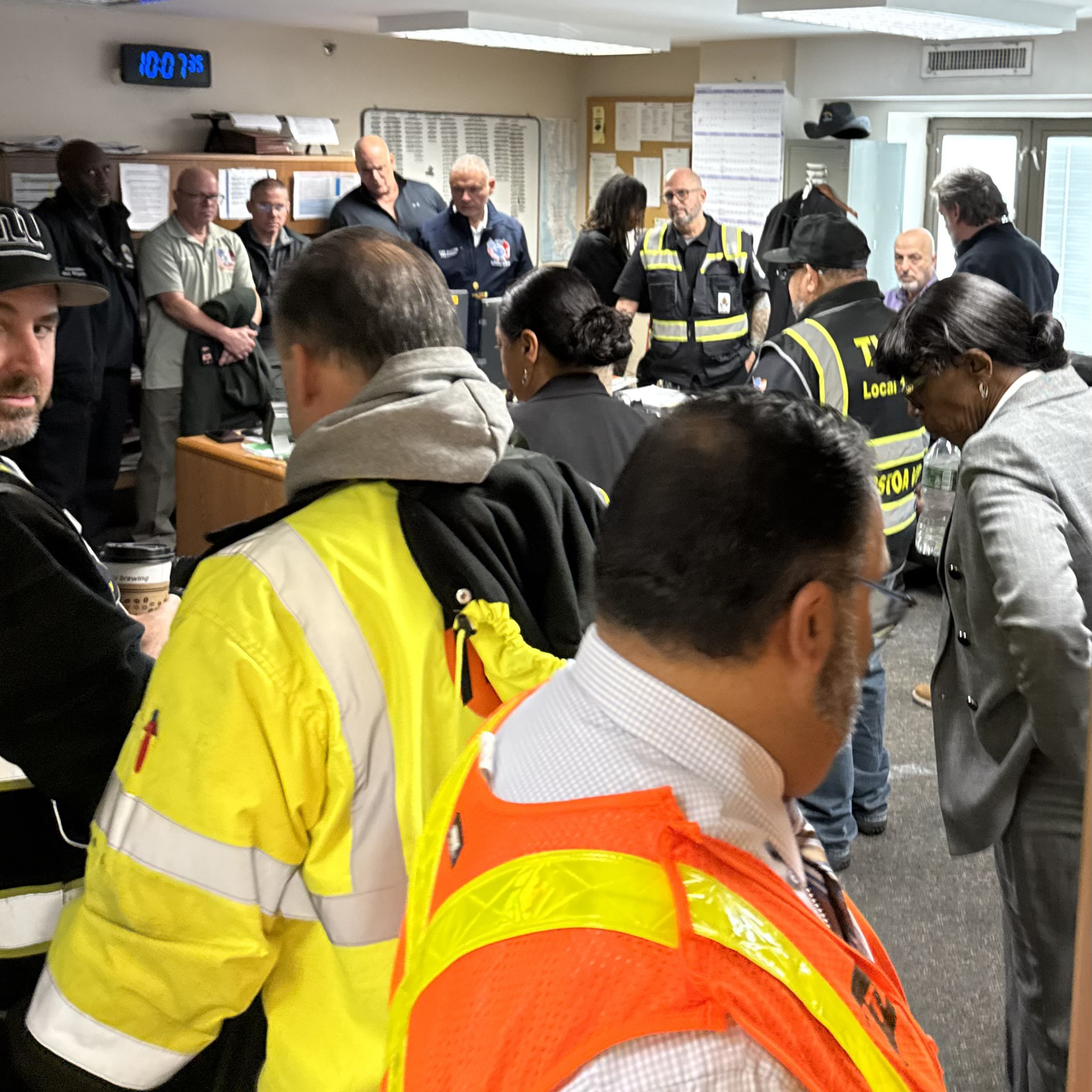
“Management said that nothing was found that is problematic, but they refused to give us the study, asking for more time,” said MaBSTOA Vice President Donald Yates.
Chiarello also sent a letter today to New York City Transit President Demetrius Crichlow, filing an offical grievance under Section 1.9 of the contract and noting that there have been previous parking garage collapses in New York.
“So we said we would...shut down an artery in the depot, which would have affected all of our evening pull-ins,” Yates said.
Management initially refused to release the structural report citing “security” but relented after the visit, supplying the report to Safety Director Celeste Kirkland this afternoon on a confidential basis.
“Common sense has to prevail,” said Chiarello. “I want to thank the officers, the members and the Safety Alliance. Just as unions are strong when their members band together, the Alliance is strong because unions have banded together.”
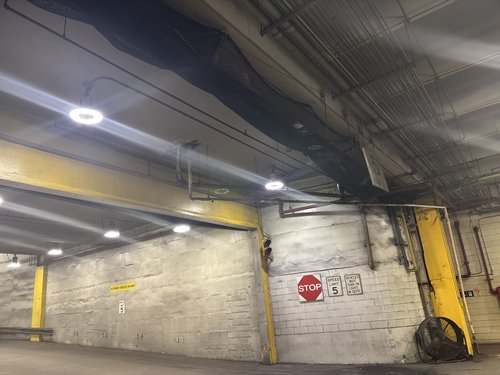
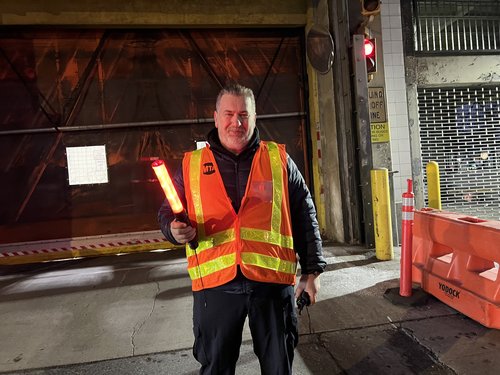
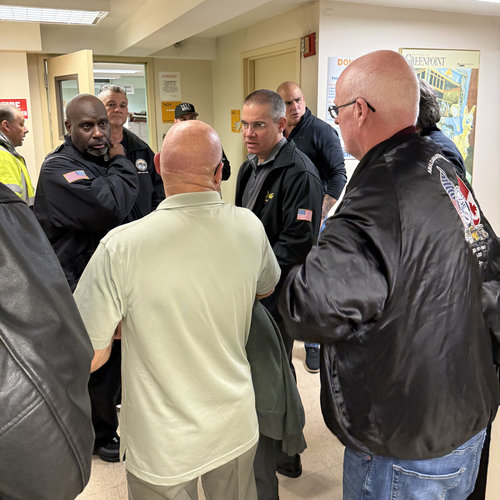
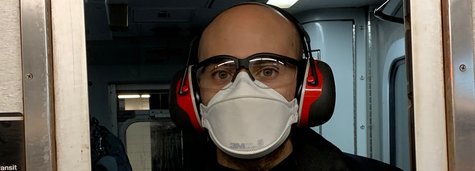
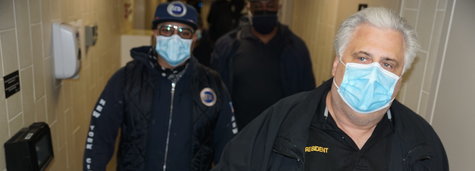
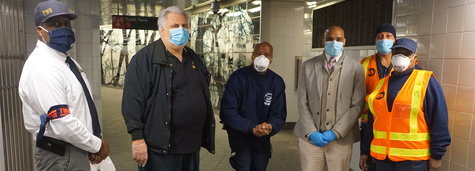
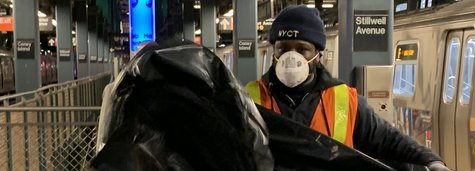
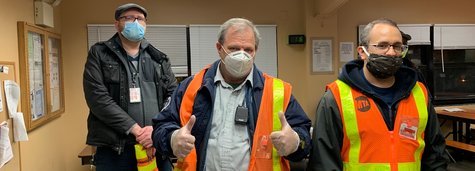
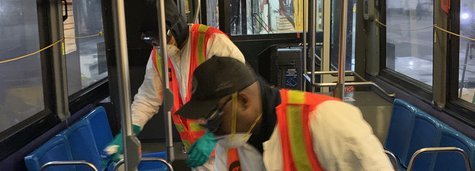
In the photos: Netting suspended from the ceiling of the Quill Depot to catch debris; A flagger at Quill Depot making sure only one bus is on the ramp at a time; Union leaders meeting at the depot on January 8.